Choosing the right shower solution for your bathroom involves understanding the key differences between shower glass doors and complete shower enclosures. While these terms are sometimes used interchangeably, they represent distinct options with unique characteristics that can significantly impact your bathroom’s functionality, aesthetics, and budget.
1. Definition
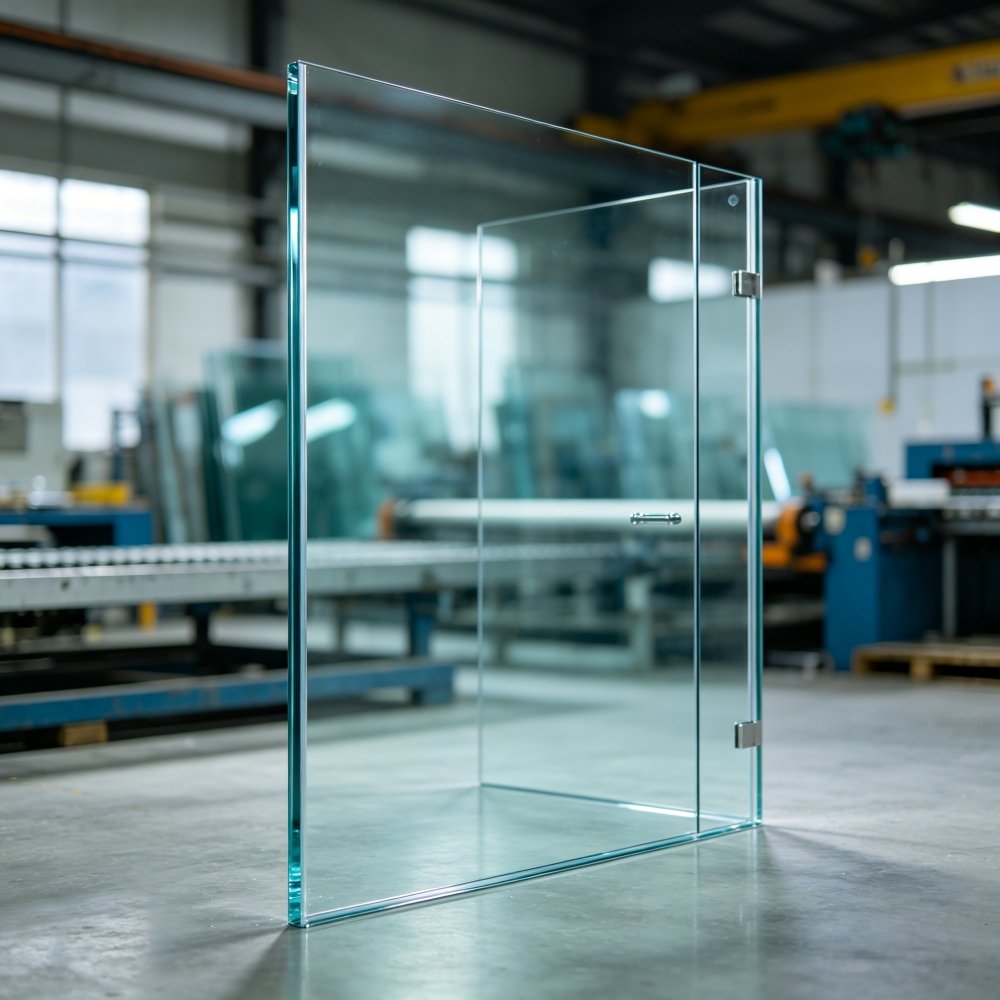
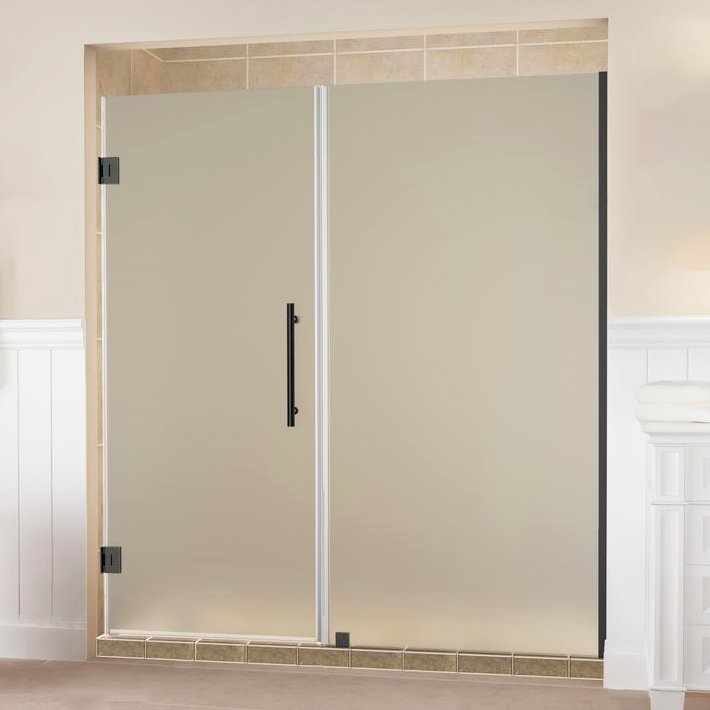
Shower Glass Doors are standalone door panels designed to be installed at the entrance of an existing shower space. They typically consist of one or more glass panels with frames or frameless hardware, mounted to existing walls or shower structures. These doors serve primarily as a barrier to contain water within the shower area.
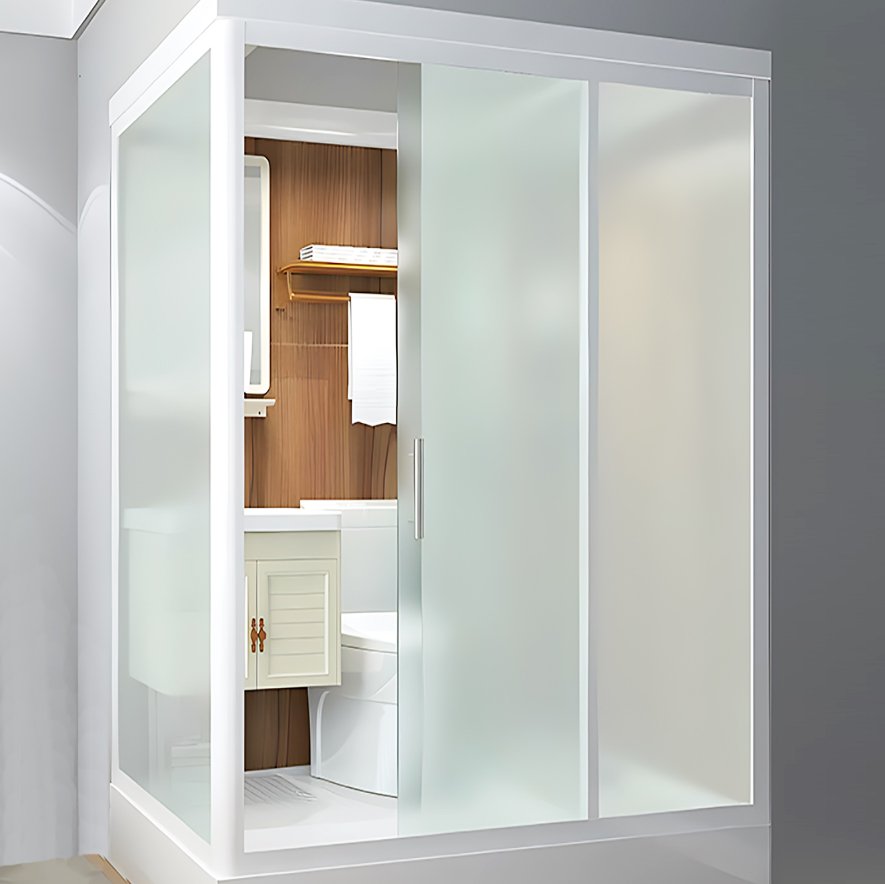
Shower Enclosures are complete, self-contained units that include both the walls and door(s) as an integrated system. They create the entire showering space and can be installed as a standalone structure. Enclosures typically come in various configurations including corner units, neo-angle designs, and alcove installations, with the glass panels forming all sides of the shower space except where they meet existing walls.
2. Features
Shower Glass Doors
- Available in various opening styles: sliding, pivot, hinged, or bi-fold
- Can be frameless, semi-frameless, or fully framed
- Glass thickness typically ranges from 3/8″ to 1/2″ for frameless options
- Hardware options include chrome, brushed nickel, oil-rubbed bronze, and matte black finishes
- May feature coatings for easy cleaning and water repellency
- Designed to fit standard shower openings (typically 24″ to 60″ wide)
Shower Enclosures
- Complete 360-degree or multi-sided glass structure
- Integrated door and wall panel system
- Available in standard shapes: square, rectangular, neo-angle, curved, or custom designs
- Often include built-in water management systems and seals
- Base or floor pan may be included or sold separately
- Coordinated hardware throughout the entire unit
- Pre-configured sizes or custom dimensions available
3. Advantages and Disadvantages
Shower Glass Doors
Advantages:
- More affordable option when you already have shower walls
- Easier and faster installation process
- Greater flexibility in design choices and customization
- Can be added to existing tile or acrylic surrounds
- Easier to replace or upgrade without major renovation
- Works with existing plumbing and fixtures
- Wide variety of styles to match any bathroom décor
Disadvantages:
- Requires existing shower walls to be in good condition
- May not provide complete water containment if existing shower structure has issues
- Limited to the dimensions of your current shower space
- Potential for leaks if not properly installed or if walls aren’t perfectly plumb
- Does not include structural components
Shower Enclosures
Advantages:
- Complete, integrated solution ensures better water containment
- Creates a unified, cohesive appearance
- All components are designed to work together
- Can transform or create a shower space where none existed
- Better quality control since all parts come from one manufacturer
- Often includes warranty coverage for the entire system
- Engineered seals and drainage systems minimize leak potential
Disadvantages:
- Higher initial investment cost
- More complex and time-consuming installation
- Less flexibility if you want to change styles later
- May require professional installation
- Limited to manufacturer’s standard sizes or expensive custom options
- Complete replacement needed if major components fail
- Takes up more visual space in smaller bathrooms
4. Applicable Conditions and Scope
Shower Glass Doors – Best For:
- Bathroom renovations where shower walls are already in good condition
- Budget-conscious projects focusing on cosmetic updates
- Spaces with existing tile, stone, or acrylic shower surrounds
- Homeowners who want to maintain their current shower layout
- DIY-friendly installations for those with moderate skills
- Replacing old shower curtains or dated glass doors
- Bathrooms where only the door needs updating
Shower Enclosures – Best For:
- New construction projects
- Complete bathroom remodels
- Creating a new shower space in a room without one
- Situations where existing shower walls are damaged or outdated
- Achieving a modern, seamless aesthetic
- Corners or areas that can accommodate a self-contained unit
- When maximum water containment is a priority
- Commercial applications requiring durability and easy maintenance
5. Cost
Cost Factors to Consider:
- Glass thickness and quality (thicker = more expensive)
- Hardware finish and quality
- Custom sizing or special shapes
- Coating treatments (anti-spot, anti-fog)
- Brand reputation and warranty
- Local labor rates
- Complexity of installation
Conclusion
The choice between shower glass doors and shower enclosures ultimately depends on your specific situation, budget, and bathroom goals. Shower glass doors offer an economical and flexible solution for updating an existing shower space with minimal disruption. They’re ideal for renovations where the focus is on refreshing the look without structural changes.
Shower enclosures, while representing a larger investment, provide a complete solution that can transform your bathroom or create a shower space from scratch. They offer superior water containment and a cohesive design that can significantly enhance your bathroom’s value and functionality.
Consider your existing bathroom structure, long-term plans, budget constraints, and aesthetic preferences when making your decision. If you’re uncertain, consulting with a bathroom design professional or contractor can help you evaluate your space and determine which option will best meet your needs while staying within your budget.